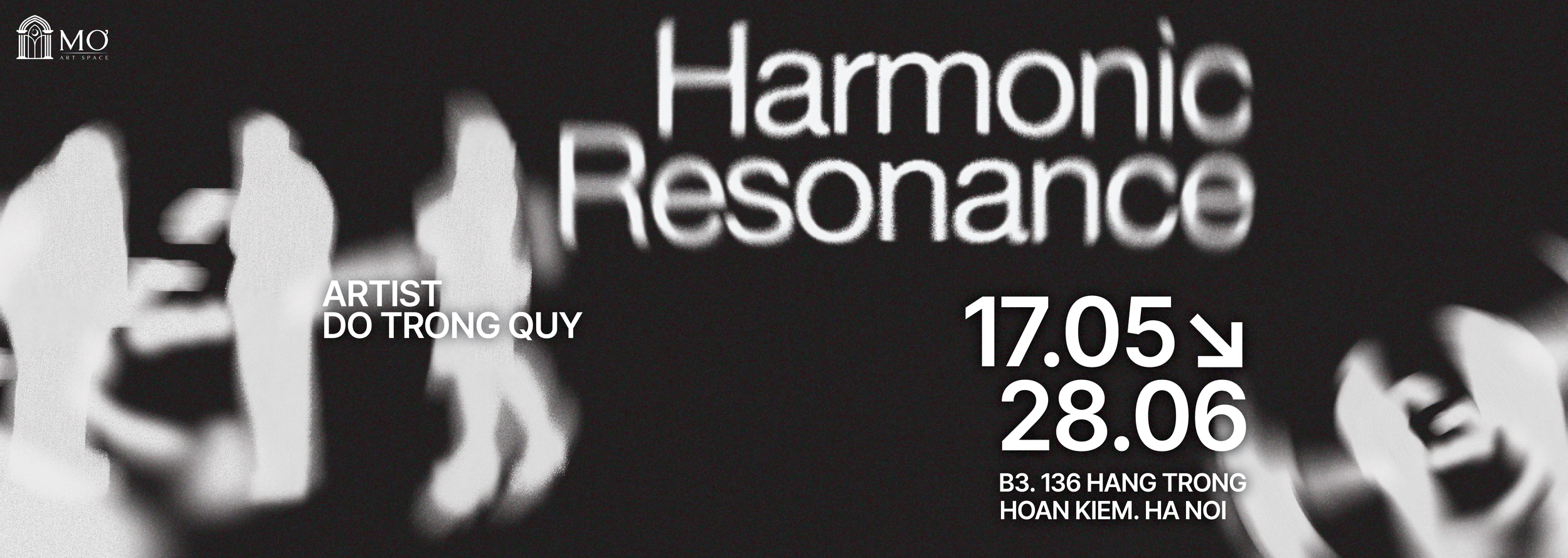
HARMONIC RESONANCE
Artist: Do Trong Quy
Curator: Qrator
Duration: May 17, 2026 to June 28, 2026
From the 1960s to the 1980s, video art exploded in the US with the arrival of home movie cameras. These devices enabled experimental artists to create artworks using television techniques in non-traditional ways, acting as a counter-gravity to mainstream television culture. During this time, the School of the Art Institute of Chicago (SAIC) played a vital role in educating and archiving video artworks through the Video Data Bank (VDB), thereby legitimizing this medium as an official art form. Artists often used methods like circuit bending or “handmade cinema” to create moving images. Developed by Dan Sandin in 1973, the Sandin Image Processor is an analog video synthesizer that allows users to generate images from electrical circuits without a direct camera feed. Video art trends during this period were heavily influenced by Surrealist and Fluxus aesthetics. As a result, the process of creating moving images became the primary content, rather than narrative structures like traditional films or documentaries.
Video art only appeared in Vietnam after the Đổi Mới period (1990–2000), when artists began using cameras as an artistic medium. However, these video works remained heavily narrative, taking the form of documentaries that focused on personal or social themes. This left a gap in video art due to educational difficulties and the high cost of equipment needed for teaching classical broadcast techniques. Today, with technological developments, artists in Vietnam no longer face difficulties or barriers in accessing global information and technology. Digital video works can be produced entirely with just a laptop. However, the differences in these methods of execution have led these forms to be frequently used for commercial purposes.
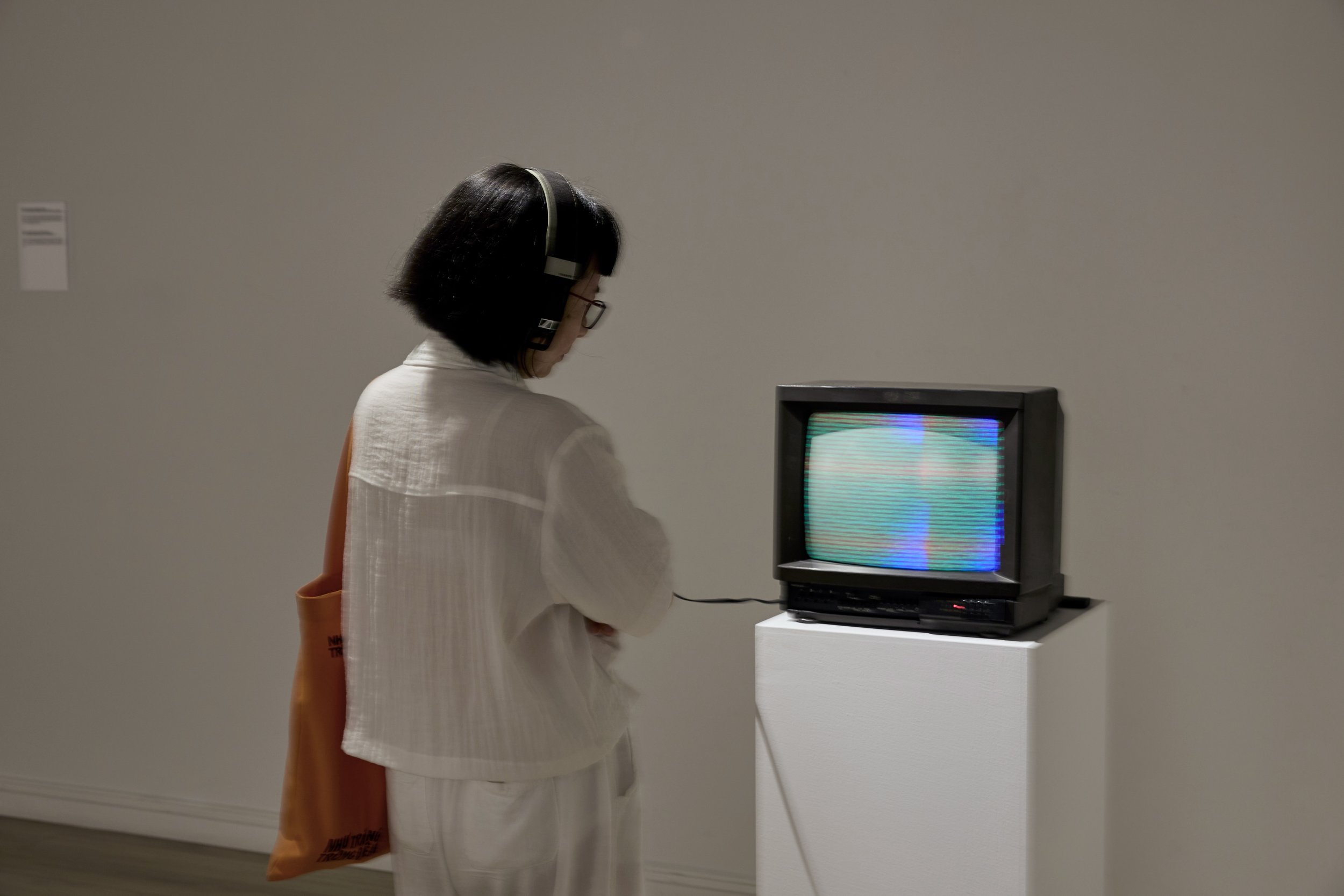
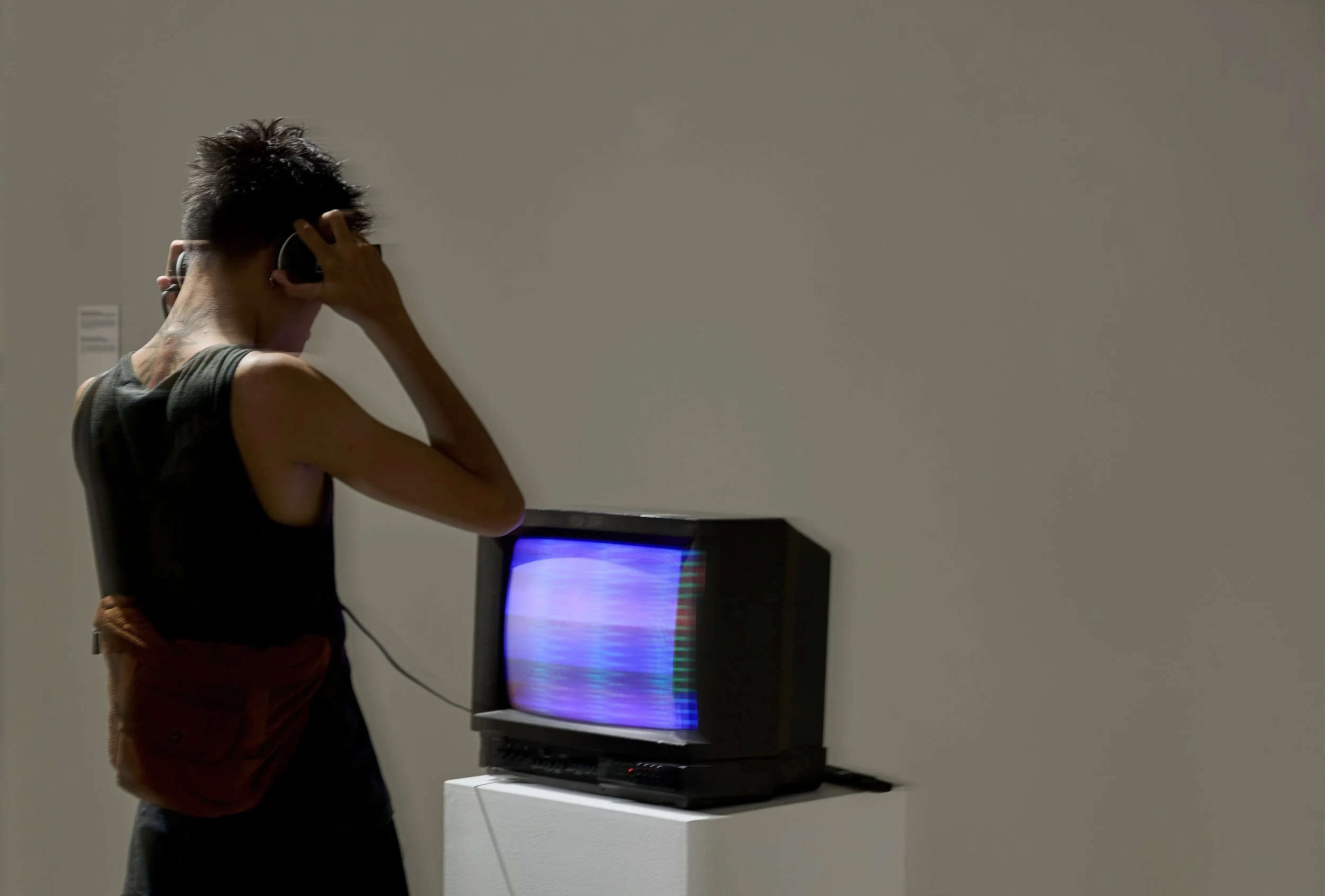
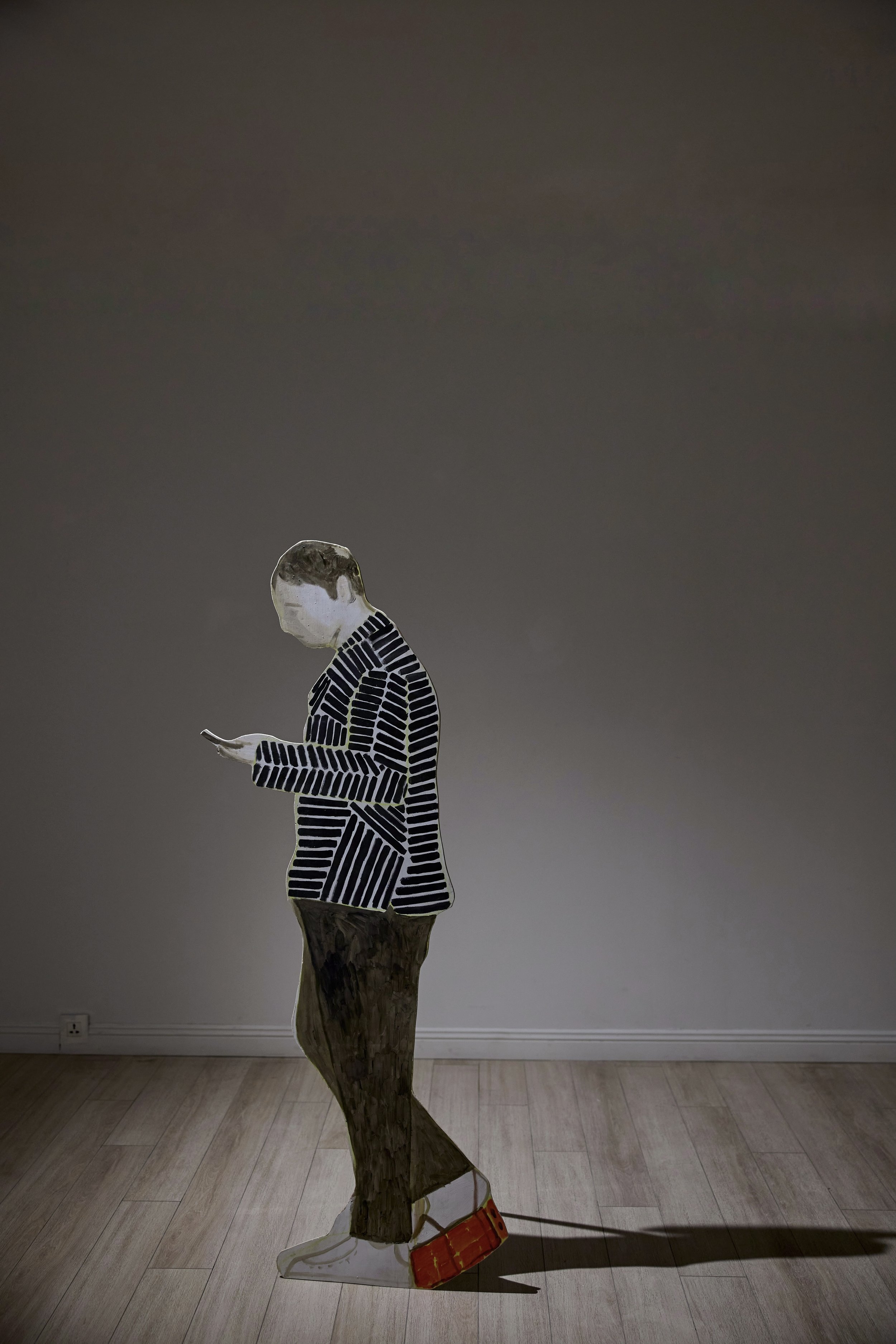
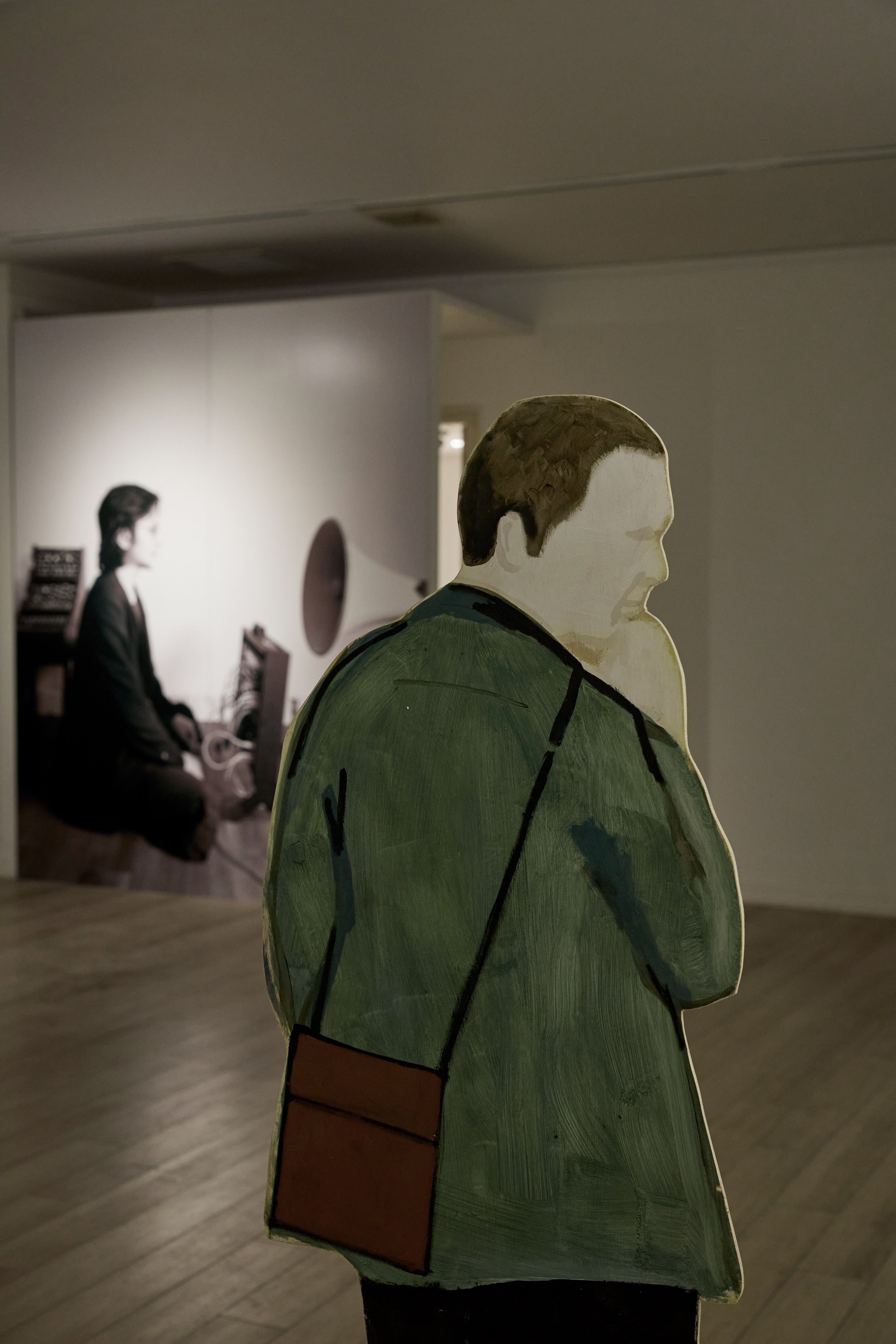
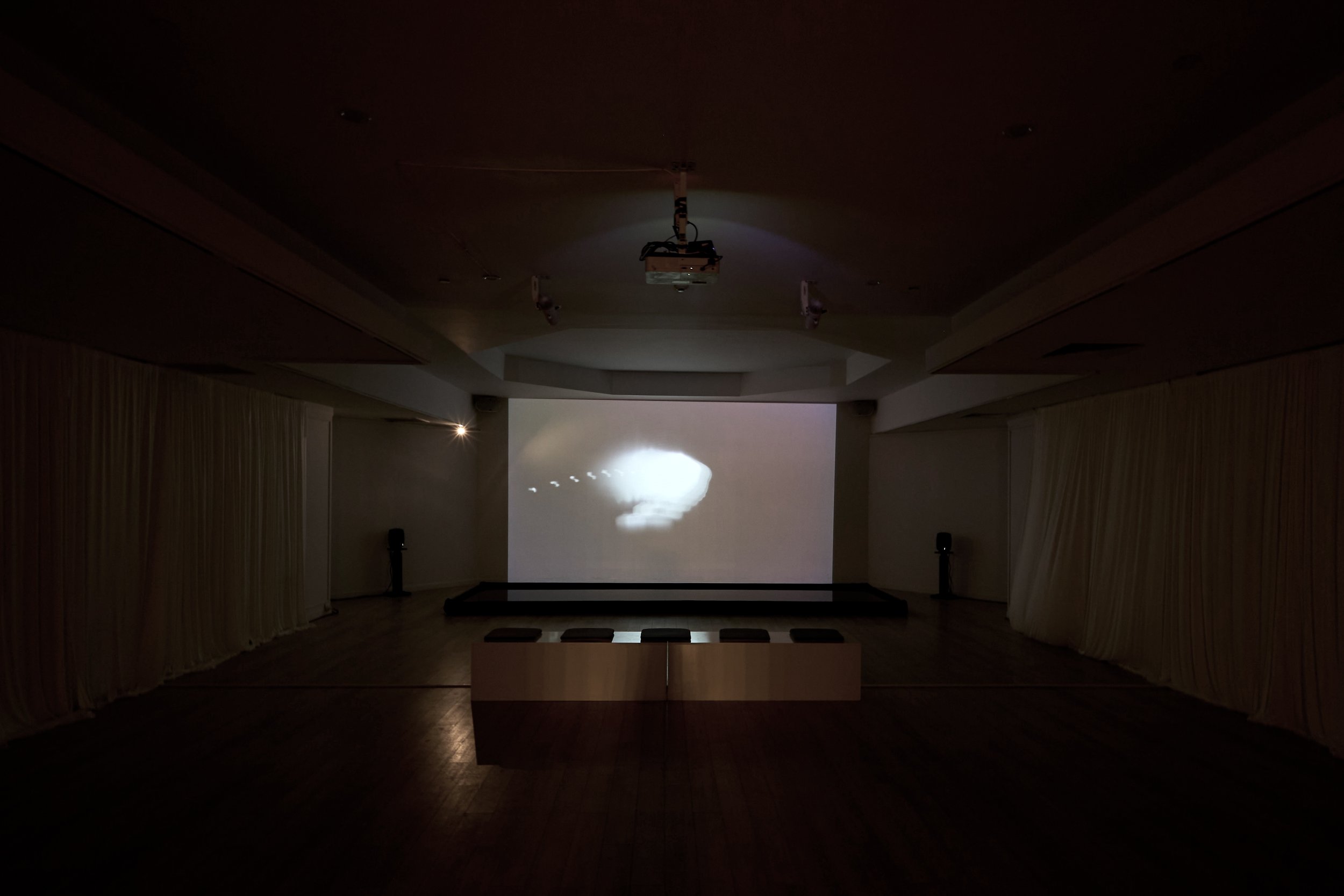
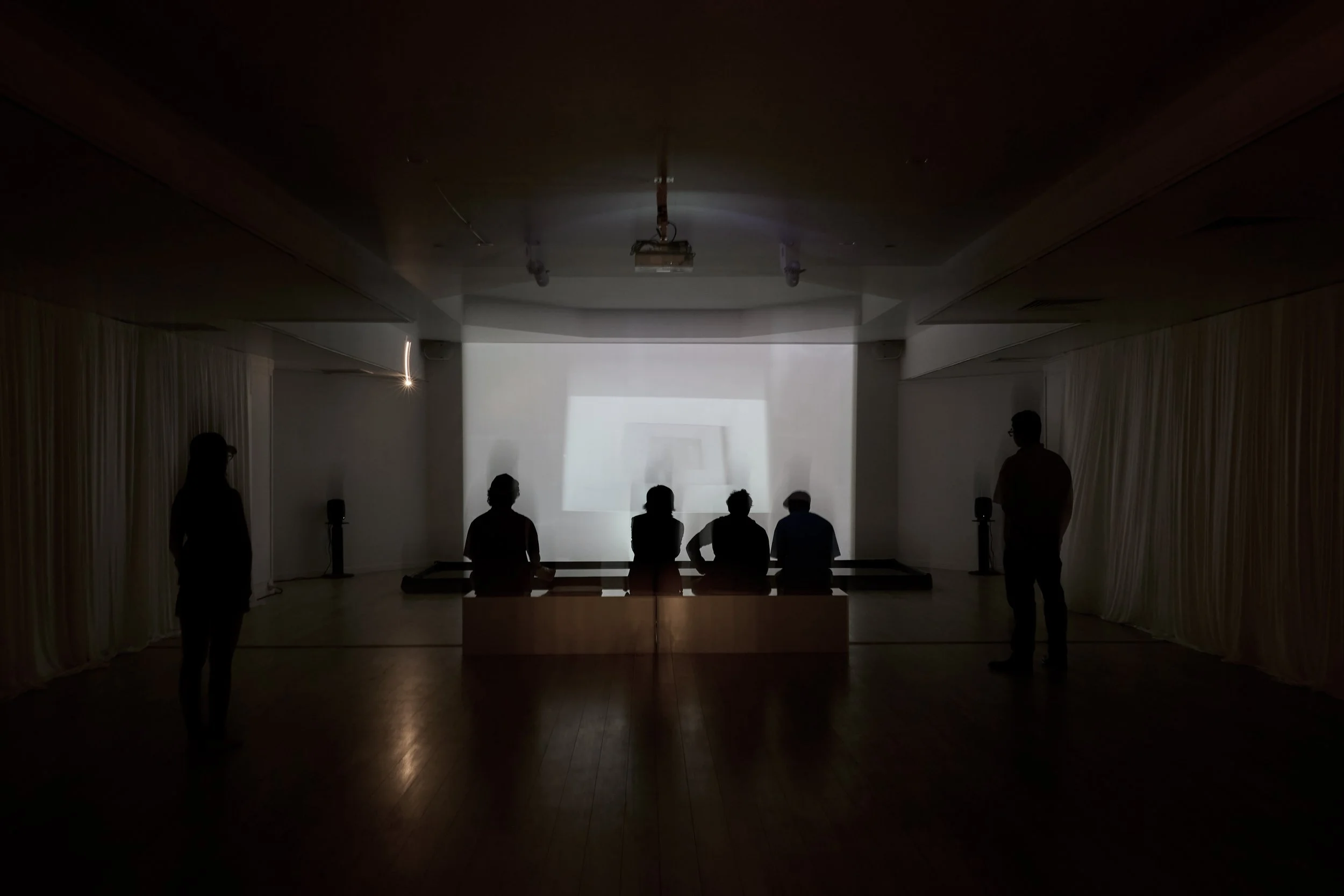
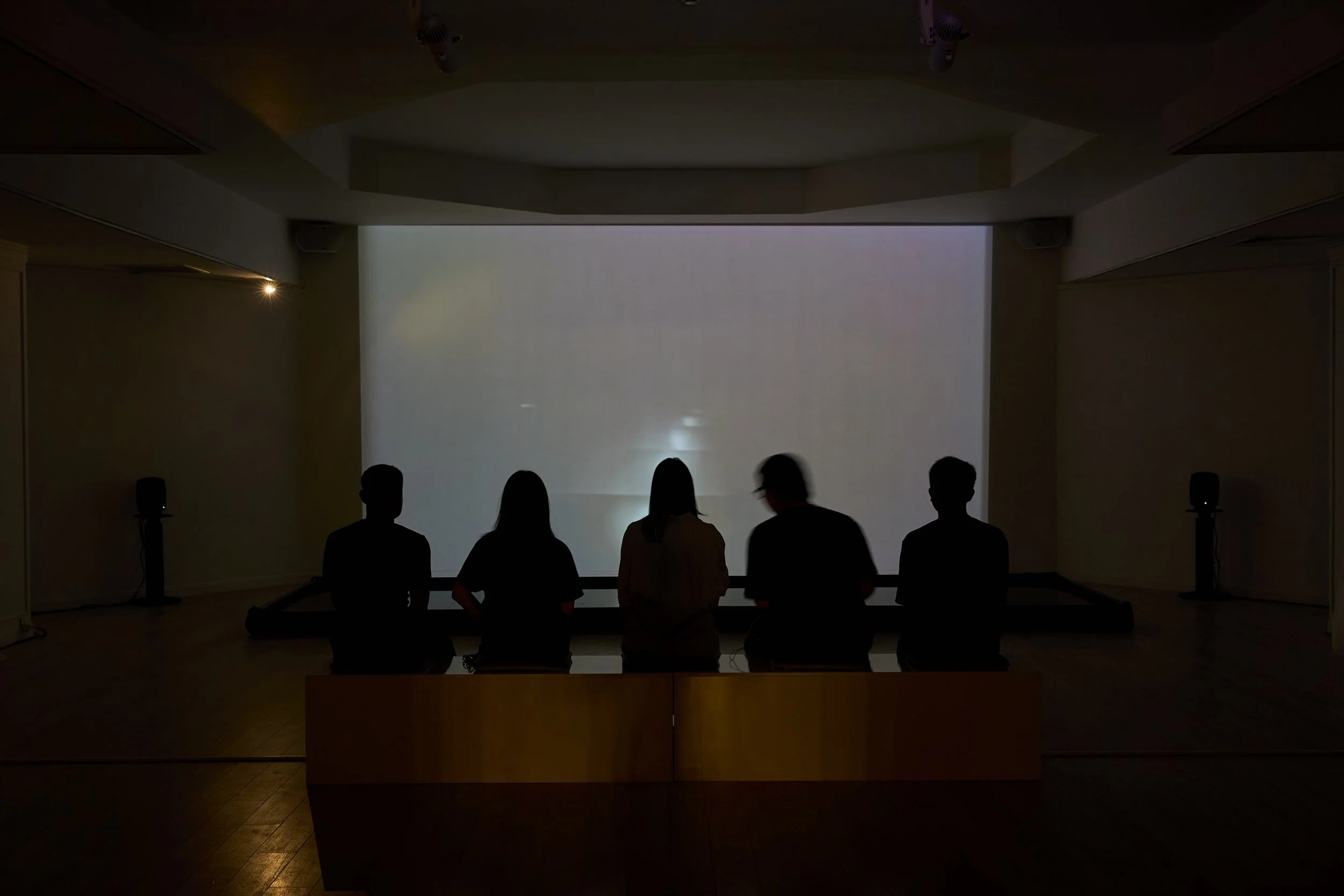
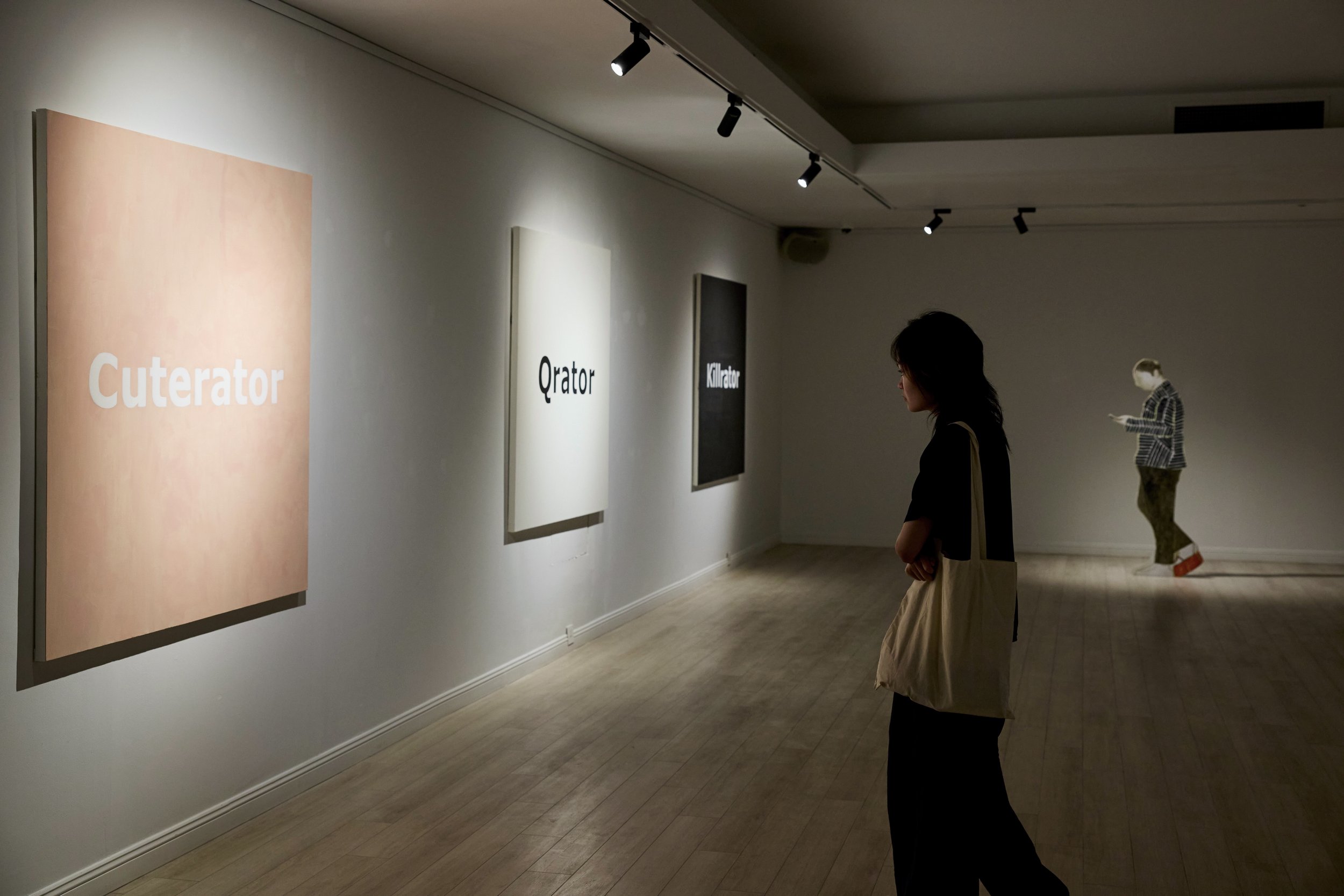
Influenced by his training at the School of the Art Institute of Chicago (SAIC), Đỗ Trọng Quý (Q) gained access to classical methods of constructing sound and moving images using analog signal circuits, opening new experimental approaches in his practice. Harmonic Resonance is his second solo exhibition at Mo Art Space, marking a departure from the romanticism of private space seen in his previous work. Instead, he creates an exhibition that addresses the structure of an exhibition itself from the perspective of an art critic. Here, resonance begins to be established (the mirror effect). The inspiration of resonance and its subtle transitions are repeated throughout the three clusters of works presented in this exhibition. These works reflect his diverse practice across various mediums: painting, sculpture, sound, and moving images. Transience is clearly reflected through the artist's DIY (do-it-yourself) practice. The white cube space at Mo Art Space is restructured into a chapel-like form, centered around a forty-eight-minute sound installation depicting a candle burning from beginning to end, recorded using the camera feedback technique. Outside this space, painted wooden figures in the likeness of seemingly important art figures move aimlessly in a space devoid of what are typically considered “artworks” at exhibition openings. A twenty-minute video, created from the resonance of three RGB signals along horizontal and vertical axes, is shown on a CRT (Cathode Ray Tube) television screen, creating a silent chaos that balances the stability of the space. These works were skillfully created using Formalism to critique its very essence.
Đỗ Trọng Quý (Q) (b. 1994, Hanoi) is an interdisciplinary artist living and working in Hanoi. He graduated from the Vietnam University of Fine Arts in 2020, having begun his career as a painter during his undergraduate studies. In 2022, Quý held his first solo exhibition One Endless Summer at Mo Art Space and was named a Promising Artist in the Hanoi Grapevine’s Finest list. He earned his Master’s degree from the School of the Art Institute of Chicago (SAIC) between 2022 and 2024. During this period, he participated in several group projects and exhibitions, including WNTSAD (now Veryveryvery.online) – an open-membership A/V collective using electronic equipment in Chicago; A Village Before Us – a group exhibition of Vietnamese students in Chicago curated by Thuy Tien Vo and Dr. Nora Taylor; and the performance Season 31 Episode 13 – A Homage to Bob Ross at Watershed Art and Ecology, curated by Maya Nguyen.
Upon returning to Vietnam in 2024, Quý participated in a group exhibition in Japan as part of the Setouchi Triennale 2025, curated by Le Thuan Uyen. Currently, he maintains his individual practice and frequently performs spontaneously at various independent spaces in Hanoi.
EXHIBITION STATEMENT
EXHIBITION VIEW